AVOCADO

This picture is from Pixabay https://pixabay.com/photo-933060/

The word avocado comes from Nahuatl ahuacatl, wich means «tree testicles»

NUTRIENTS

The avocado has a high content of calories, proteins, lipids, vitamins, and nutrients such as potassium, phosphorus, calcium.

20190119_160632_0000
This picture was elaborated in the app Canva

Avocados can be a great contributor to a well-rounded diet, as they are contribute nearly 20 vitamins, minerals and other nutrients with one 50 g serving of a medium avocado providing the recommended Daily Value (DV) for vitamin E (6%), vitamin K (10%), fiber (11%), folate (10%), niacin (6%), and potassium (6%).

BENEFITS

  • Avocados contain 136 micrograms of the carotenoids like lutein and zeaxanthin per 50 g serving which some research suggested may help maintain eye health as we age.
  • The fiber helps reduce blood cholesterol levels and may lower risk of heart disease. 
  • Folate is important for proper brain function, consuming adequate intakes of folate/folic acid may reduce the risk for premature births and birth defects.
  • Vitamin K for blood clotting, 
  • Pantothenic acid (vitamin B5) helps the body convert food to energy.
  • A diet rich in potassium helps to offset some of the harmful effects of sodium on blood pressure.

USES

alternative-906138_1920.jpg
This picture is from Pixabay https://pixabay.com/photo-906138/

Avocados are used in dishes, dressings the most common guacamole, masks for skin and hair, to reduce health problems, in the preparation of some types of creams, shampoos for hair, oils, soaps and lotions. 

PRODUCTION IN MEXICO

20190120_005050_0000.png
This picture was elaborated in the app Canva

Michoacan concentrates 84.9 percent of avocado production volume in Mexico, and they produce more than one million tons. Other entities that have participation are: Jalisco, State of Mexico, Nayarit, Morelos and Guerrero.

seasonality-chart-california
This picture is from Mission https://www.worldsfinestavocados.com/

The high harvest season occurs between the months of October and February, while the average season is between March and May, and the low season between June and September.

RECIPESlad

AVOCADO PINEAPPLE SALAD 

Ingredients:

  • 1/3 cup olive oil
  • 1/3 cup white wine vinegar
  • 1/3 cup fresh orange juice
  • 1/3 cup sugar
  • Salt and pepper to taste
  • 3 cups of pineapple chunks
  • 2 avocados hass skinless and seedless cubed
  • 1 romaine lettuce into slices
  • 1 medium red onion cut into small slices

Intructions:

  1. In a blender mix oil of olive, the vinegar, sugar and orange juice. Salt and pepper to taste.
  2. In a large bowl mix lettuce, pineapple, onion and avocado and slowly pour the dressing to your liking.

If you want more recipes click here  

BIBLIOGRAPHY

VIDEO

Nopal

The nopal is a plant that belongs to the cactacea family. Its used dates back to pre-Hispanic times. & has different uses from gastronomic to medicinal.

Nutriments.

Regarding the nutritional value of cactus, it can be said that in 1 cup of raw nopales (86 gr aproximately) there are 2.9g of carbohydrates and 1.1 g of protein and olny 14 kcal. But its main attraction is that contains a large amount of dietary fiber (soluble and insoluble): 2g of fiber in cup.

There is a 30:70 ratio of soluble to insoluble fiber.

They are also a good source of calcium, since in 100 g of nopales, there is approximately 80mg of calcium.

Benefits

  • Decreases sugar levels in the blood
  • Prevents the development of osteoporosis
  • Controls gastritis
  • Combat obesity
  • Help with weight loss
  • It keep us hydrated
  • Helps to remove diarrhea
  • Prevents diabetes
  • Control cholesterol
  • Prevents colon cancer

Used

The nopal has different used in the mexicana culture, it goes from the culinary use as guarnision, dishes where they are the main ones like the nopal stuffing, liquefied, and the flowers that come out on top of them are called tunas, also edible as fruit or in water.

Apart from having a culinary use the nopal is used to make facial masks and hair masks, lately it has been inovated a lot with consumption and the way to elaborated products, such as tortilla, jam , yogurth

Recipe «Jam of nopal»

Ingredients

  • 2 greeb apples
  • 1 cup of water
  • 1/2 kg of nopales
  • 2 cups of suga
  • 1 pinch of baking
  • 1 tablespoon of lemon juice

Instructions

  • Peel the apples and add their shells to a pot of boiling water
  • Beat the nopal together with the water resulting from cooking the shell
  • Pour this mixture into a pot and add the sugar. Cook at medium heat for 5 minutes
  • When the mixure is boiling, add the baking soda and lemon juice while stirring si it does not stick
  • Pack the hot marmaladd in jars, leaving a space of 1 cm between the contents and the lid to from a vacuum

Bibliography

Corn

What it means is «what sustains life». And along with rice and wheat is the most cultivated and consumed cereal in tbe world

Nutriments

  • Corn is a source of B vitamins, as well as beta-carotene and zeaxanthin, precursors of vitamin A. Corn is the only cereal that provides beta-carotene. It also contains moderate amounts of vitamin C and niacin
  • It provides interesting amouns od potassium, phosphorus, magnesium, manganese and iron, although it is poor in calcium
  • The most abundant protein of the corn grain is zein and, although it contains almost all the essential amino acids

Benefits

  • Helps regulate digestion
  • It’s a good for cardiac health
  • It does not help the growth of bobe tissue
  • It is viral for the development of the nervous system
  • It is benefical to cambact cholesterol problems, diabetes and hypertension

Used

Corn has many used in Mexico from the leaves, are used to wrao the tamales. Once the corn has been nixtamalized it can be used to make dough, tortillas, tacos, tamales, panuchos, molotes, quesadillas, sopes, chalupas, toasts, tlacoyos, huaraches, memelas, peneques, chopped, enchiladas, chilaquiles, salbutes, tecocos, tecoyotes, balls of dough in the mole, de pot an in the yellow. Whole corn is used in soups such as pozole and giblets and ground corn in drink such as pozol, tejate, taxcalate, pinole and a wide variety of atoles. Fermented corn is used in beverages such as tesgüino, chicha and tepache.

In Mexico alone, at least 600 ways of preparing corn in food have been identificed

Recipe «cornbread»

Ingredients

  • 1 cup of flour
  • 1 can of condensed milk
  • 1 stick of butter of 90 grams
  • 4 eggs
  • 1 tablespoon baking powder
  • 1 teaspoon vainilla
  • 6 fresh corn husked

Instructions

  • Colocate butter and flour the mold where you will preparate the bread
  • Spill butter in microwave. Add liquid ingredients to blender: egg, condensed milk, vainilla and melted butter
  • Add solid ingredients to the blender: flour, bakin powdee and half of the kernels. Blend until a uniform consistency in obtained; pour the rest the corn and finish liquefying
  • Preheat oven for 10 minutes. Empty the contents of the blender in the mold and bake at 180°C for 50 minutes or until the insert a toothpick, it comes ouy clean
  • Allow to cool to unmold and peel off the waxed paper.

Bibliography

Amaranth

The word amaranth comes from the greek and means «plant that does not wither». The amaranth is one of the oldest crops in Mesoamerica: the Mayans, the Aztecs, the Incas, gatherers and hunters knew it. It is estimated that it was used from 5,000 to 7,000 years ago. Among the Aztecs, both the plant and the seed were known as huatli,. The plant was used as a vegetable and in the preparation of tamales and tortillas. With the grains they prepared a flour that served as food in trips or long rutes, and that mixed with ground corn and maguey hiney, called tzoalli,they elaborated a diverse figures, like small statues of their gods. 

NUTRIENTS

This picture was made in Canva app

Amaranth, such as quinoa, is considered a pseudocereal, as it has characteristics similar to cereals but with some qualities that stand out such as its protein content, which is more similar to that of legumes.
It has been determined that the grain of amaranth concentrates between 16 and 17% of proteins that possess almost all the essential amino acids for the organism, except leucine, which would be the limiting amino acid in this food.
In addition, it is a source of good fats, of which it concentrates approximately 7% and has a high proportion of fiber, as well as minerals, among which calcium, potassium, magnesium and phosphorus, as found in an analysis.
Also, it is a good source of vitamin B complex and phenolic compounds with antioxidant power.

BENEFICTS

Amaranth can be incorporated into the diet to diversify it and add good nutrients, above all, it can be useful for those who have a vegan diet and look for proteins of high quality vegetable origin. 

  • Its antioxidants have proven their power to neutralize free radicals of oxygen, so, teh intake of amaranth can reduce oxidative stress and thus help the care of each cell of the body and its health.
  • Because of its content in good fats, in fiber and in phytosterols, the consumption of amaranth could help prevent cardiovascular diseases by controlling dyslipidemia and blood pressure values.
  • It can be a good resource to increase the satiety of diet, since in replacement of rice or pasta, amaranth can be used as a good source of fiber and proteins that calms hunger and appetite more easily without offering a extra calories, so, it can also be useful when we seek to lose weight.

USES

With amaranth we can achieve variety of preparations that will expand the variety of our diet and add good nutrients and great benefits to it.

  • Amaranth can be used as we would use rice, that is, we can boil it to make salads, stews or other preparations, both cold and hot, salty or 
    amaranto
    This picture is from https://diabetesjuntosxti.mx/wp-content/uploads/2009/02/Amaranto.jpg

    sweet.

  • We can use the amaranth directly on the fire in a pan to obtain popcorn amaranth, in replacement of popcorn, thus obtaining a snack with many more proteins and fiber.

  • The amaranth seed can be used as such, without cooking, to add crispy texture to a breaded or salad or to make cereal bars with this seed or crunchy cookies if we mix chocolate with amaranth only.

PRODUCTION IN MEXICO

This image was made in the Canva app 

The amaranth in Mexico is cultivated in the states of Guerrero, Mexico, Morelos, Tlaxcala, Puebla, Federal District, Michoacán and Oaxaca. It is used in candies, as a food supplement, in dietetic products and has an important potential in the industry for its types of oils, starches and proteins. It has been conserved and continues to be important in traditional agriculture, however some variants run the risk of disappearing due to its limited cultivation, supported by few farmers and those of advanced age.

RECIPE

TABBOULEH-STYLE AMARANTH SALAD 

Ingredients:

  • 1 1/2 cups cold water
  • 1/2 cup amaranth (uncooked whole-grain, such as Arrowhead Mills)
  • 2 cups English cucumber (diced unpeeled)
  • 1/2 cup celery (thinly sliced)
  • 1/2 cup red onion (finely chopped)
  • 1/4 cup chopped fresh mint
  • 1/4 cup fresh flat leaf parsley (chopped)
  • 1/4 cup pine nuts (toasted)
  • 2 tablespoons extra-virgin olive oil
  • 1 teaspoon grated lemon rind
  • 2 tablespoons fresh lemon juice
  • 1/4 teaspoon salt
  • 1/4 teaspoon crushed red pepper
  • 1/2 cup chickpeas (drained no-salt-added canned, garbanzo beans)
  • 1 cup feta cheese (crumbled)
  • lemon wedges (optional)

Intructions:

  1. Boil 1 ½ cups of cold water and amaranth in a medium skillet; reduce heat, cover and cook over low heat for 20 minutes or until the water is almost absorbed (it will have the appearance of white mass).
  2. While the amaranth is cooking, combine the cucumber and the next 11 ingredients in a large bowl.
  3. Place the amaranth in a sieve and rinse in cold water until it is at room temperature; drains well, pressing with the back of the spoon. Add to the cucumber mixture; Shake to mix. Add cheese; shake gently. Garnish with the lemon pieces if you wish.

If you want more recipes click here

BIBLIOGRAPHY

Huitlacoche

The huitlacoche is a parasite fungus of corn, this fungus are the gills that grow in the cob, which are mixture between the corn and fungus, makin something unique

Nutrients

Is has a high content of essential fatty acid amino, acid (oleic and linoleic which are sourse of omega 3 and omega 6), easy digestion, antitumos substances, high fiber content, which maked it richer than its flavor

Benefits

  • Keep sugar and cholesterol levels in the blood
  • It is antioxidant, so it delays the effects of old age
  • Helps mitigate diets and cholesterol levels
  • The lysine helps the absorption of calcium, strengthens the inmune system and helps the regeneration of collagen

Used

Due to its populat consumption in recent decades, many uses have been created such as esmoloc, soups, black mole, creams, quesadillas, fillings drinks and sauces to bath meats

Recipe

Ingredients

  • 500 grams of huitlacoche
  • 4 cloves of garlic
  • 1 finely chopped onion
  • 75 grams of butter
  • 1 soonfun of chopped epazote
  • 1 1/2 liters of chiken broth
  • 250 mililiters of whippibg cream groud nuts to decorate

Instructions

  • In a saucepan ovee medium heat melt the butter and brown the garlic, onion and huitlacoches for 2-3 minutes.
  • Add the chiken broth and the epazote and let the huitlacoche cook over medium heat, about 20 minuted or until the grain releases juice
  • Remove from heat and add cream
  • In small pots, mix the soup perfectly and return to the pot. Season with salt and pepper and warm before serving

Bibliography

Bean

Nutrients

In Mexico The bean is a garrison very usd for all dishes also has a nutritional content ofcarbohydrates, high grade of proteins, fiber, fat, proteins & minerals (manganese, magnesium, phosphorus, iron, copper, potassium, calcium & selenium) & B-complex vitamins such as niacin riboflavin, folic acid, and thiamin

Benefits

  • For his content in fiber help getting better the digestion and evacuation, avoiding constipation
  • For his content of iron together with other foods, prevent anemia
  • Provides energy to perform daily activities
  • controls sugar levels in the blood

Used

the beans are usually a great companion in the diet of Mexicans, they are very versatile & we eat them either in soup or as a garnish on the main course

Recipe

  • 500 gr of dry black beans
  • 8 cups of water
  • 1/4 white onion
  • 2 cloves of peeled garlic
  • 1 epazote outbreak
  • 1 epazote outbreak
  • 1 chile serrano
  • salt to taste
  • 1 teaspoon olive oil

Instructions

  • Clean the beans by passing them through your hands to remove any pebbles and dry or broken beans, these should be cleaned before cooking
  • Rinse the beans well, have the onion and garlic ready
  • Place the beans in a large pot with onion and garlic, add water and olive oil, if desired; remove the beans that float on the surface, which are probably too old and damaged. Remember that the beans expand during cooking, that’s why you need a large pot.
  • Cover the pot and light the fire to medium high and bring to a boil, when they start to boil, reduce the flame to boil gently. The cooking time will depend on the freshness and size of the beans, from 1 1/2 hours to 3 hours. Add hot water if necessary during the cooking process
  • When the beans are already soft, add the Epazote and the Serrano chilies if desired, season with salt. To prevent chiles from breaking, make a small slit in the center of the chili with a sharp knife before adding to the pot.
  • Cook until the beans are soft. Enjoy a delicious dish of beans or let them cool and store in your refrigerator where they can last up to 4 days.

Bibliography

Cacao

Picture of https://carlosbatistini.files.wordpress.com/2011/12/cacao.jpg

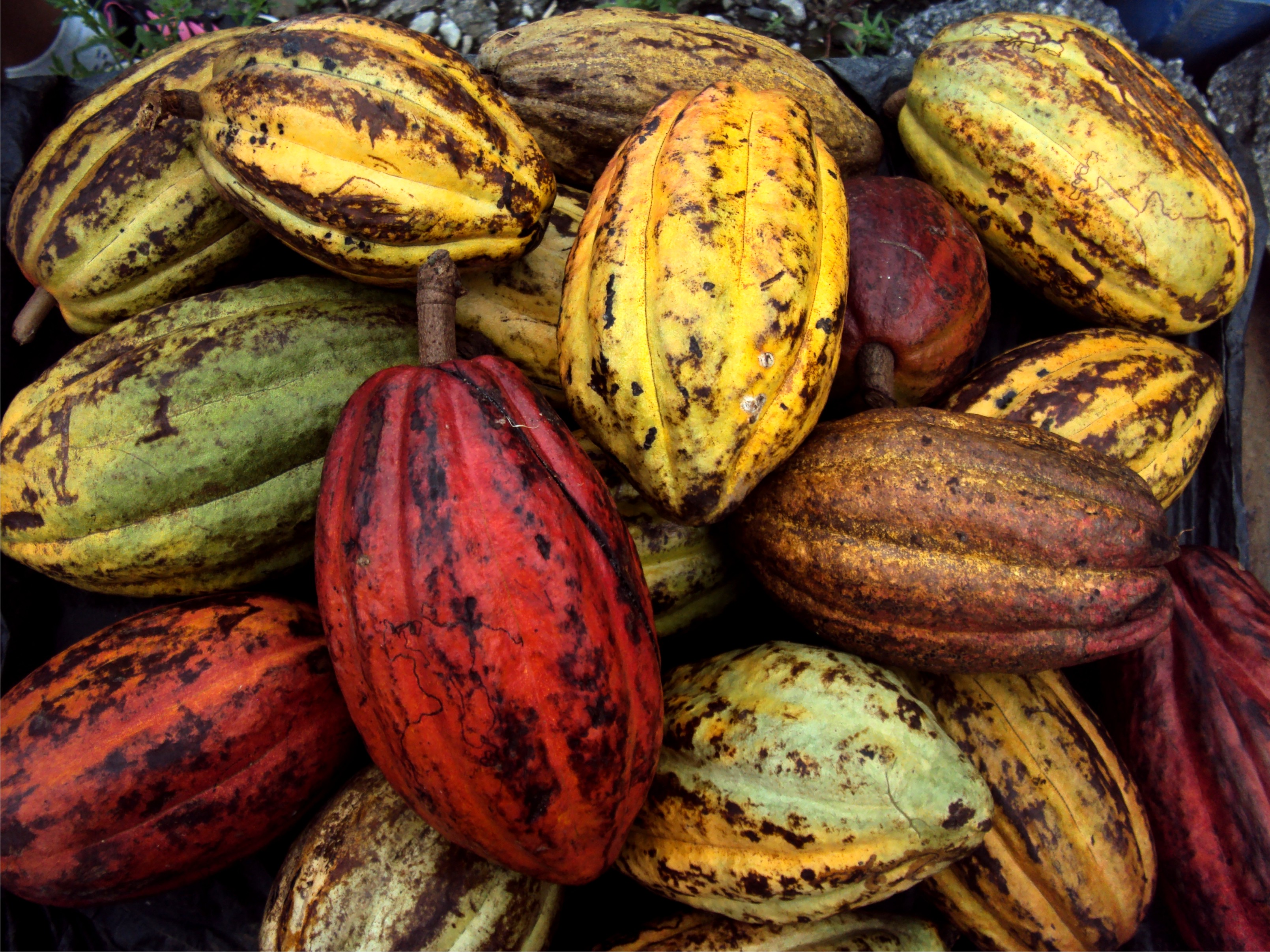
Cacao is derived from Nahuatl cacahoatl. It is the seed of a tree that reaches between 6 and 10 meters high and that develops under the canopy of the forest. It has around 20 close relatives, all are small trees in Central and South America. Theobroma is derived from the Greek food of the gods.

NUTRIENTS

20190121_211006_00007353896811751351529.png
This image was made in Canva app

Cocoa seed is rich in specific antioxidants, between 10 an 22 percent of the composition of the cocoa seed is fat, mainly fatty acids (oleic, palmitic and stearic, in addition to other organic acids), amino acids, sulfur compounds, phenols (coumarin, esculetinay catecol), acetophenone, benzaldehyde, benzonate deisopentyl; and by terpenes (essential oils), apigenin, among others. 

It has sterols, phenylethylamine, phospholipids, lecithin, lysine, luteolin, anthocyanins, camferol, campestrol, cyanogenetic compouds, cyanidin, dopamine, oxalates, isoleucine, mucilages, pectins, epicatechin, catechin, quercetin, clovamide and procyanidin; ploline, purines, quercitrin, rutin, salsolinol, serine, serotonin, tannis, tyramine, threonine, trigonelline, vitamins B complex, C and E, vitaxine, in addition to calcium, phosphorus and iron.

BENEFITS

Cocoa has many benefits such as:

  • It has been shown that the dry grain and cocoa husk extracts diminish pro inflammatory markers and cell damage.
  • Because of its content in unsaturated fatty acids, such as oleic acid, cocoa acts as a vascular protector by lowering cholesterol and low density lipoproteins (LDL) and increasing HDL (high density lipoproteins or good cholesterol. 
  • In addition, possibly due to its flavonoid content, it has a hypotensive effect and decreases peripheral vasodilation. 
  • It decreases platelet aggregation by minimizing the formation of thrombi, which benefits health and protects our body from cardiovascular diseases. 
  • Cocoa has molecules capable of activating the nervous system, being vasodilators and possessing toning, diuretic and anti-neuralgic properties. 
  • Relieves stress thanks to theobromine, which stimulates the central nervous system, is softer tan caffeine, and its effect is longer.
  • Also the presence of afenitylamine atributes antidepressant properties to cocoa.
  • In addition, it manages to slow down the aging process and a better performance of cognitive or mental processes, including that of memory.
  • In the form of topical products, it has hydration benefits for the hair and the reduction of cellulite. 
  • A great antioxidant for the skin thanks to its flavonoids that protect against cellular damage exerted by free radicals. 
  • It is a natural photoprotector, so it can help to prevent skin cáncer. 

USES

coffee in white coffee cup
Photo by Pixabay on Pexels.com

Cocoa has cosmetic and medical uses. Three substances can be extracted from the cocoa seed: cocoa liquor, cocoa butter and cocoa powder. All of them are used to make different products, both edible and beauty; coverage of chocolate, chocolate desserts, bread, mole, soaps, creams, shampoo, among others.

PRODUCTION IN MEXICO

20190121_211822_00007900048812700939180.png
This image was elaborated in Canva app

The cultivation of cocoa requires specific conditions; to begin with, it grows adequately under climatic conditions (temperature and humidity) that are only found in tropical areas. It is not achieved at temperatures below 18 º C.

mapa
Image by Cacao Mexico 


The main producing areas in Mesoamerica were in the Soconusco and Tabasco, in fact the latter is still by far the main producer of the grain with a production close to 30 thousand tons. Chiapas – where Soconusco is located – produces little more than 10 thousand tons, in Veracruz 62 tons are obtained and other states with favorable conditions, such as Oaxaca or Guerrero, produce about 20 tons each.

RECIPE

COCONUT AND CACAO BITES 

Ingredients:

  • 1 Cup desiccated coconut
  • 1 Cup almonds, or other nut to your taste
  • 6 medjool dates
  • 4 Tablespoons nut butter, your choice
  • 2 Tablespoons raw cacao
  • 1 Tablespoon coconut oil

Instructions:

  1. Place all ingredients in a food processor, roll into balls, refrigerate, and enjoy!

If you want more recipes click here 

BIBLIOGRAPHY

Chili

The word chili comes from the Nahuatl chilli. The oldest seeds in Mexico were found in the Coxcatlan Cave (6900-5000 BC) in Puebla.

NUTRIENTS

20190121_030648_0000-16925488523981618615.png
This image was made in Canva app

Chili is rich in vitamins, it is vegetable with a higher concentration of ascorbic acid known. Fresh chili peppers contain vitamin C. Dried chilies contain vitamin A. They also have significant amounts, although lower amounts of vitamin E, P and B, and some minerals.

BENEFITS

  • It has been seen to have anticancer, analgesic, anti-inflammatory, and antimicrobial effects.
  • In the respiratory system it can act as an expectorant for congestion or cough problems.
  • It helps you to have that feeling of fullness so that you eat less amount of calories, and it is also being studied if it inhibits proteins associated with the production of fat.
  • It works as an antioxidant to protect against cardiovascular diseases, digestive disorders such as Irritable Bowel Syndrome, as well as strengthen the immune system.
  • Moderately increases energy expenditure due to a thermogenic effect (elevation of body temperature), so it has also been linked to an increase in metabolism.
  • By promoting healing processes, it helps acne problems, cold sores, burns, and skin wounds.
  • It has antioxidant effects on the skin that help stimulate the formation of collagen, give uniformity to the skin tone and a better texture.
  • It stimulates the function of the hair follicles to help the hair grow and give it a thicker and brighter appearance. That’s why we find products with chile or capsaicin in the market to combat hair loss.

USES

This image is from Pexels

Chili is an obligatory ingredient in Mexican food for thousands of years.
Currently, it is also used as a source of natural coloring in the cosmetics, cold meats, sausages and poultry industry.
Capsaicin (a substance that gives chilli itch), is used in medicine and is given other industrial uses as a component of marine paints, repellent in agriculture and livestock, stimulant, manufacture of defensive sprays, manufacture of pepper -gas (used in the military industry)

PRODUCTION IN MEXICO

This image was made in Canva app

Chili is grown practically in all the states of the Republic, the States with more than 60% of the production in 2012 are Zacatecas, Chihuahua, San Luis Potosí and Sinaloa.
Mexico is the main exporter of fresh green chilies worldwide, ranks second in production volume and third in harvested area.Due to its volume of production and cultivated area, among the most important chilies in Mexico are the types Ancho, Guajillo, Pasilla and Puya.

RECIPE

INGREDIENTS
For the filling:

  • 8 oz. pork loin
  • 2 cloves garlic, peeled, plus 2 finely chopped
  • 1 large white onion, halved
  • Kosher salt, to taste
  • 2 tbsp. lard (available at emperorfood.com) or canola oil
  • 2 tbsp. finely chopped parsley
  • 3 plum tomatoes, cored, peeled, and finely chopped
  • 2 tbsp. raisins
  • 2 tbsp. finely chopped blanched almonds
  • ½ Granny Smith apple, peeled, cored, and finely chopped
  • ½ pear, peeled, cored, and finely chopped
  • ½ peach, peeled, pitted, and finely chopped
  • ½ medium ripe plantain or banana, peeled and finely chopped

For the walnut sauce:

  • 4 oz. walnuts
  • ½ cup milk
  • 6 oz. queso fresco (available at mexgrocer.com)
  • 1 cup crema (available at mexgrocer.com) or sour cream
  • 2 tbsp. sherry
  • 3 tbsp. sugar
  • Kosher salt, to taste

For the chilis:

  • 12 poblano chiles
  • 2 cups canola oil, for frying
  • 1 cup flour
  • 5 eggs, separated
  • 2 tbsp. kosher salt
  • 1 tbsp. distilled white vinegar
  • Seeds of 1 pomegranate

INTRUCTIONS

  1. Make the filling: Bring pork, 2 whole cloves garlic, half the onion, and 2 cups water to a boil in a 4-qt. saucepan over medium-high heat; season with salt, reduce heat to medium-low, and cook, covered, until pork is tender, about 1 hour. Transfer pork to a cutting board, and pour cooking liquid through a fine strainer into a bowl; reserve ½ cup cooking liquid, and discard any remaining along with solids. Once cool, finely chop pork, and set aside with cooking liquid. Return saucepan to medium-high heat, and add lard; finely chop remaining onion, and add to pan along with minced garlic, and cook, stirring, until soft, about 8 minutes. Add parsley and tomatoes, and cook, stirring, until tomatoes break down, about 5 minutes. Return pork and cooking liquid to pan along with raisins, almonds, apple, pear, peach, and plantain, and cook, stirring occasionally, until fruit is cooked through and mixture is thick, about 10 minutes. Remove from heat, and season with salt; set aside.
  2. Make the walnut sauce: Place walnuts in a 2-qt. saucepan, and cover with water; bring to a boil, and cook for 5 minutes. Drain, and use a stiff-bristled brush to peel away most of the skin from walnuts; set aside. Bring milk to just under a boil in a 2-qt. saucepan over medium-high heat, and add walnuts; let sit, covered, to soften nuts, about 30 minutes. Transfer walnuts and milk to a blender along with queso fresco, crema, sherry, and sugar, and puree until very smooth and thick, at least 2 minutes. Season with salt, and transfer to a bowl; cover and refrigerate until ready to use.
  3. For the chiles: Heat broiler to high. Place poblano chiles on a foil-lined baking sheet and broil, turning, until blackened all over, about 20 minutes. Transfer chiles to a bowl, and let cool. Peel and discard skins, stems, and seeds, and cut a slit down the length of each chile. Remove and discard seeds and ribs, keeping chile intact. Place about 2-3 tbsp. filling inside each chile, and close chile around filling to form a tight roll. Refrigerate until ready to use.
  4. Heat oil in a 12″ skillet over medium-high heat. Meanwhile, place flour on a shallow plate, and set aside. Beat egg whites in a bowl until soft peaks form; whisk in egg yolks, salt, and vinegar. Working in batches, dredge each chile in flour, shaking off excess, and then coat in egg batter. Place in oil, and fry, flipping once, until golden brown and filling is heated through, about 5 minutes. Using a slotted spoon, transfer chiles to a wire rack to drain. Transfer to serving plates, and spoon walnut sauce over chiles to cover completely; sprinkle with pomegranate seeds before serving.

If you want more recipes click here

BIBLIOGRAPHY

https://www.youtube.com/watch?v=3AUo5zja1-0